


U.S. Bombers & Strike Aircraft
The American strike aircraft is the most technologically advanced and battle proven squadron of warplanes in the world. Since Cold War-era workhorses continue to dominate the battlefields of modern warfare, the United States boasts of unparalleled arsenal of U.S strike aircraft that project global power, bomb at deep targets, engages in electronic warfare, and provide close air support. The paper will discuss each of the major platforms, including their inception, purpose, main characteristics, and the reason it continues to be vital to the military supremacy of America.
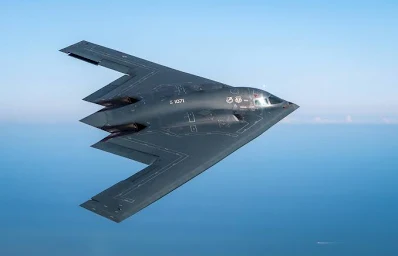
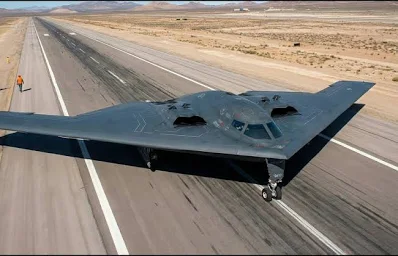
B-2 Spirit- Ghost Of Skies
B-52 Stratofortress The Ethernal Workhose
Overview
The Northrop Grumman B-2 Spirit is probably the most famous stealth fighter aircraft to date. The B-2 is a flying-wing strategic bomber that was designed in the Cold War era and introduced in 1997 and therefore operated by the United States Air Force (USAF) only. It produced only 21 aircrafts, and was one of the rarest and most expensive warplanes in history – it cost more than twice a billion dollars per unit.
Role
The main task of the B-2 is strategic nuclear and conventional bomb attack. It is modeled to infiltrate the advanced enemy defense mechanisms without being noticed, hit high-value targets within enemy territory and come back safely.
Key Features
Radar-absorbent material and blended flying-wing stealth All-aspect stealth technology
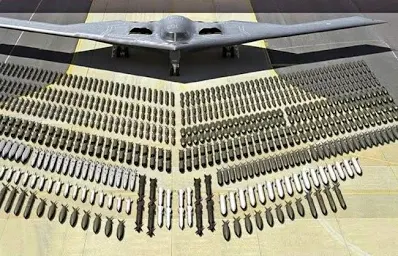
Able to drop 80 x 500 lb or 16 x 2,000 lb precision-guided bombs.
Is capable of deploying the 30,000 lb Massive Ordnance Penetrator (MOP) – the heaviest non-nuclear bomb in the American inventory.
More than 6,000 nautical miles unrefueled, intercontinental range with aerial refueling.
Advanced flight management systems and two-person crew.
Bases in Whiteman Air Force Base, Missouri and is capable of reaching any target anywhere on the earth within a few hours.
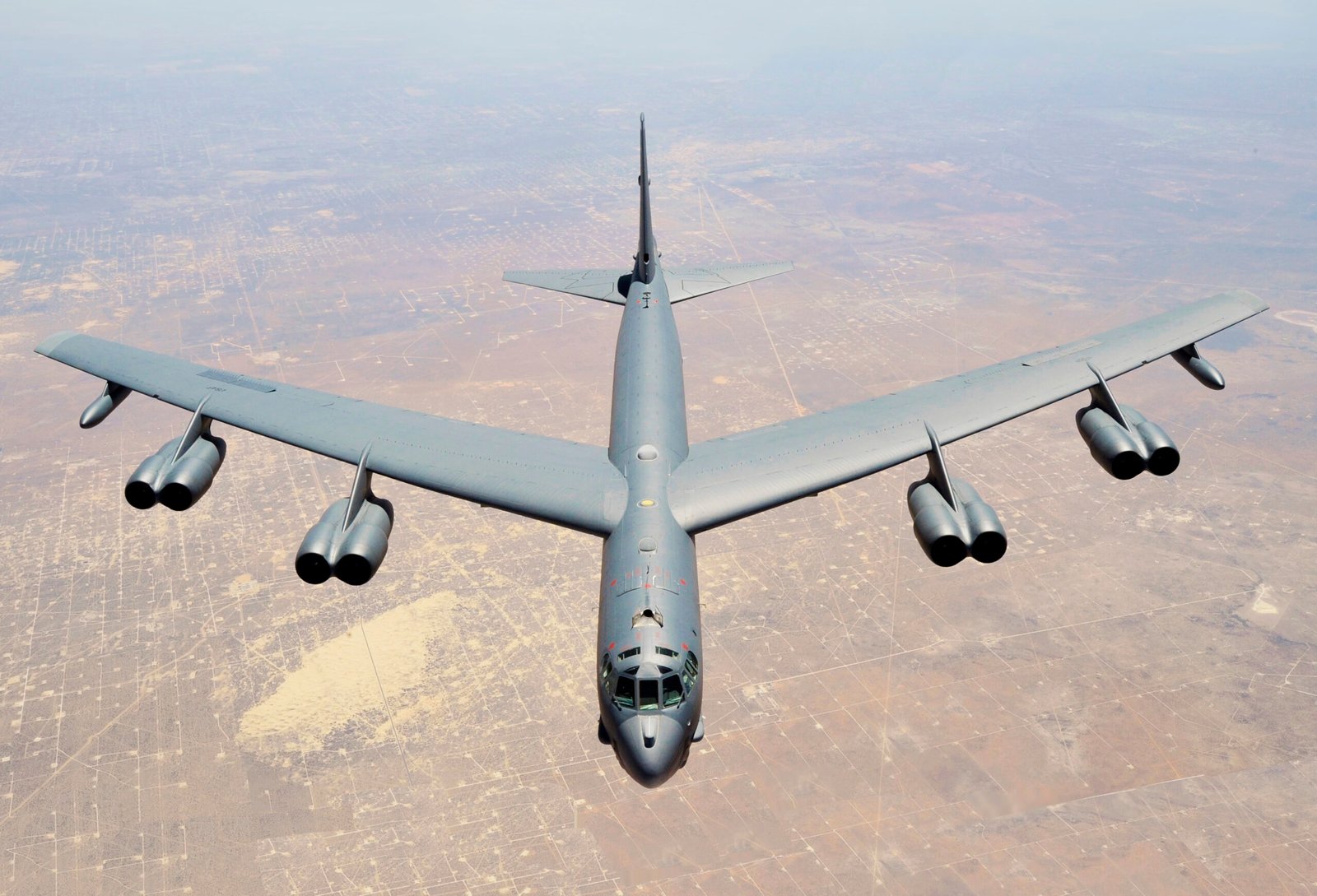
B-52 Stratofortress The Eternal Workhorse.
Overview
Boeing B-52 Stratofortress was in service since 1955 and it is estimated that it will continue to serve into at least 2050 making it one of the longest serving military aircraft in history. Initially it was a nuclear deterrence bomber that was developed in the cold war but has since changed to a high flexibility conventional bomber.
Role
B-52 is used in strategic bomb operations, in long range, and in attack missions at sea. It has been deployed in almost all of the greatest military conflicts in the U.S. since Vietnam to Operation Iraqi Freedom and others.
Key Features
Mixed ordnance payload capacity of about 70, 000 lbs.
Has the capability to carry cruise missiles (AGM-86B/C), JDAM precision bombs and anti-ship missiles.
Unrefueled range of more than 8,800 miles – largest in any U.S. bomber now.
The ongoing modernization is new Rolls-Royce F130 engines, new avionics and weapons.
Eight turbofan engines with huge lifting strength.
Five-crew, highly developed electronic warfare and targeting equipment.
B1B Lancer- Versatility, Pay load and speed.
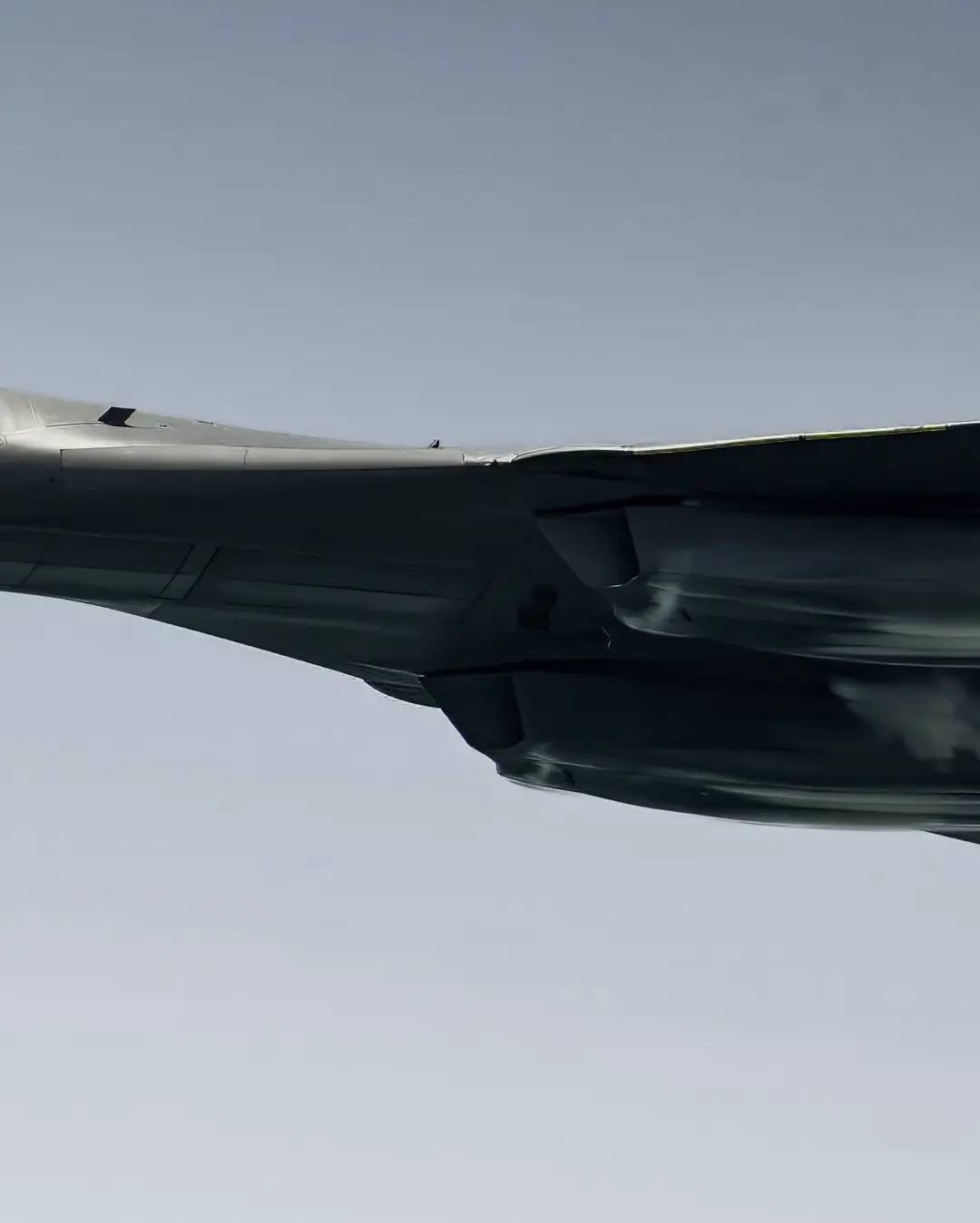
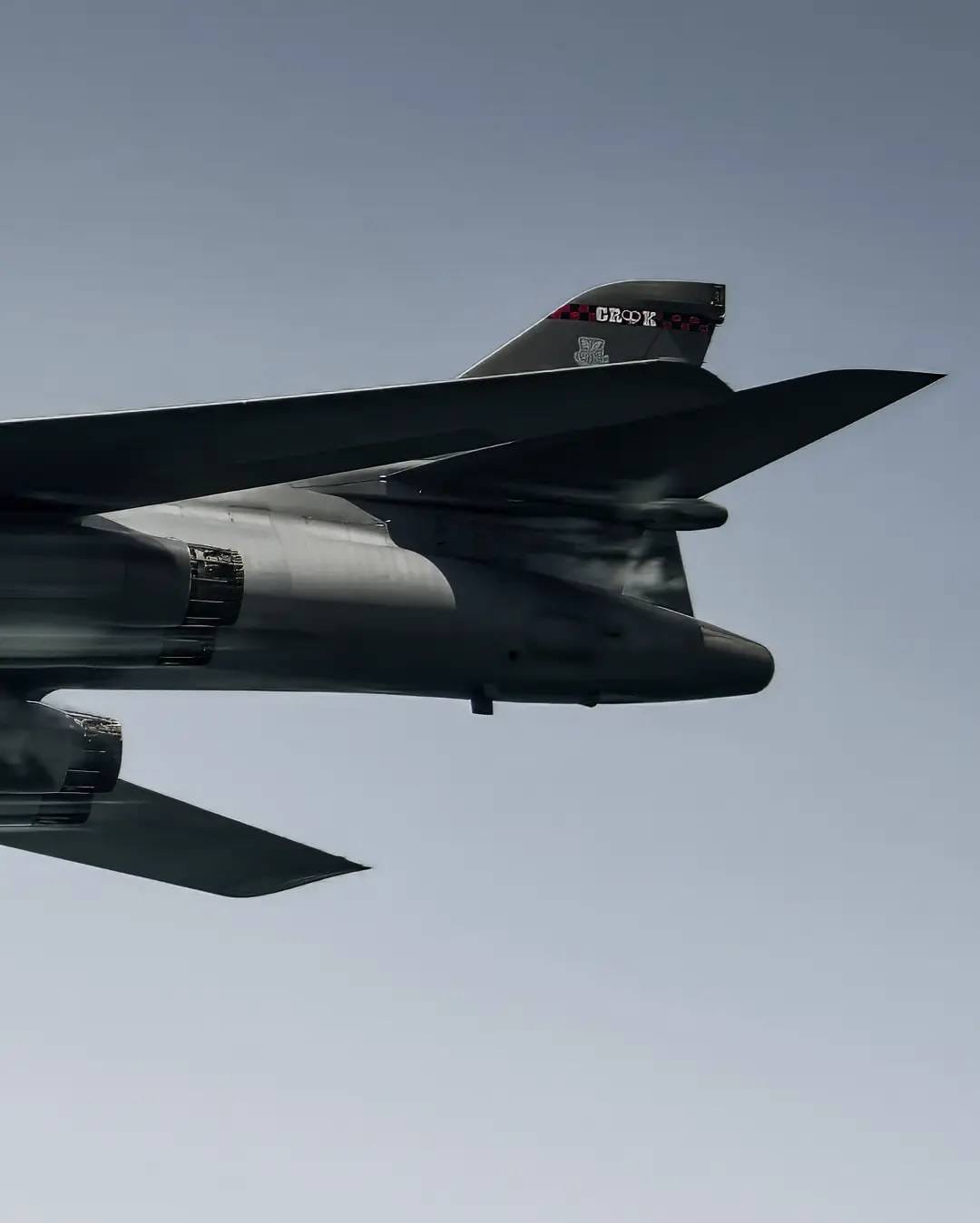
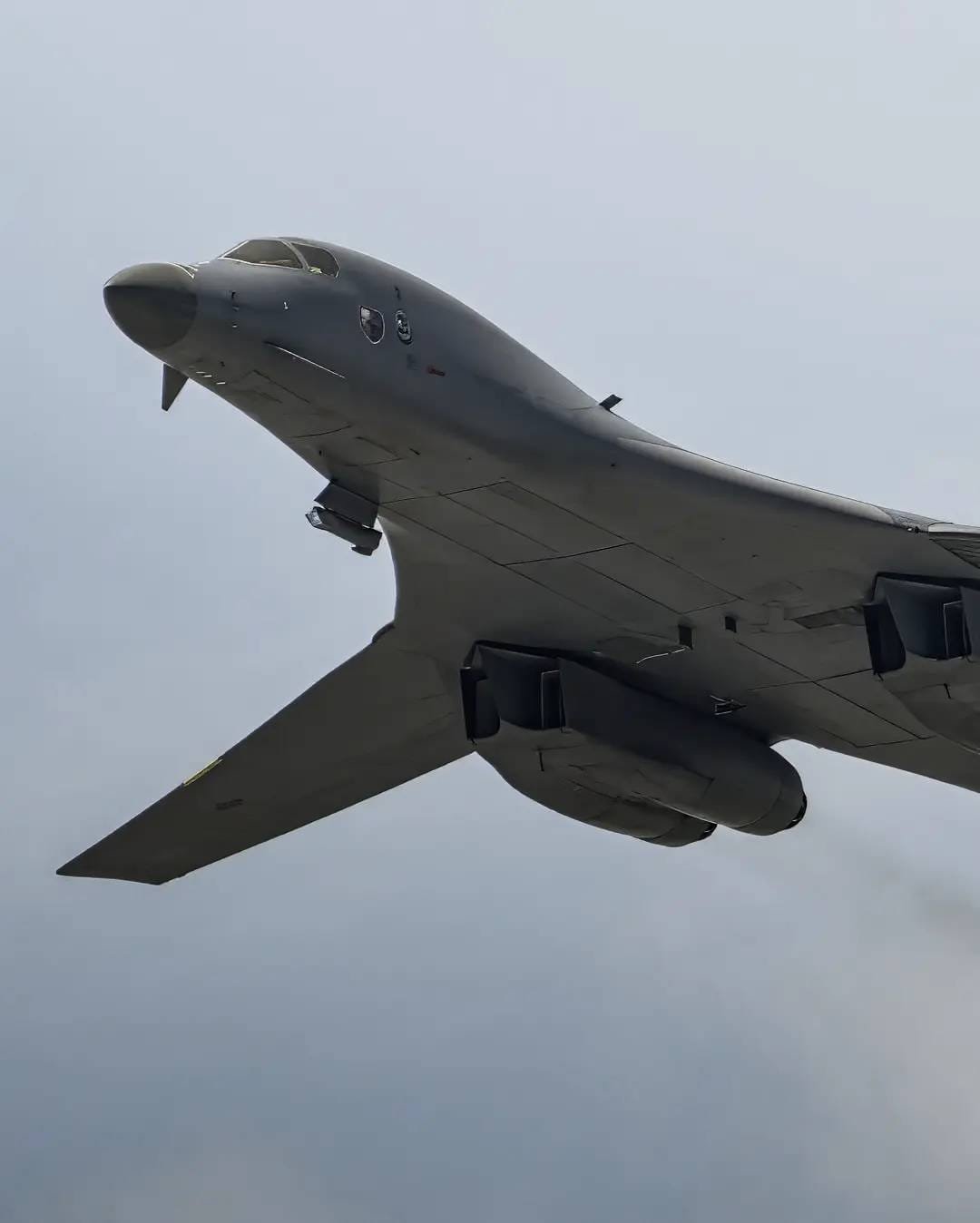
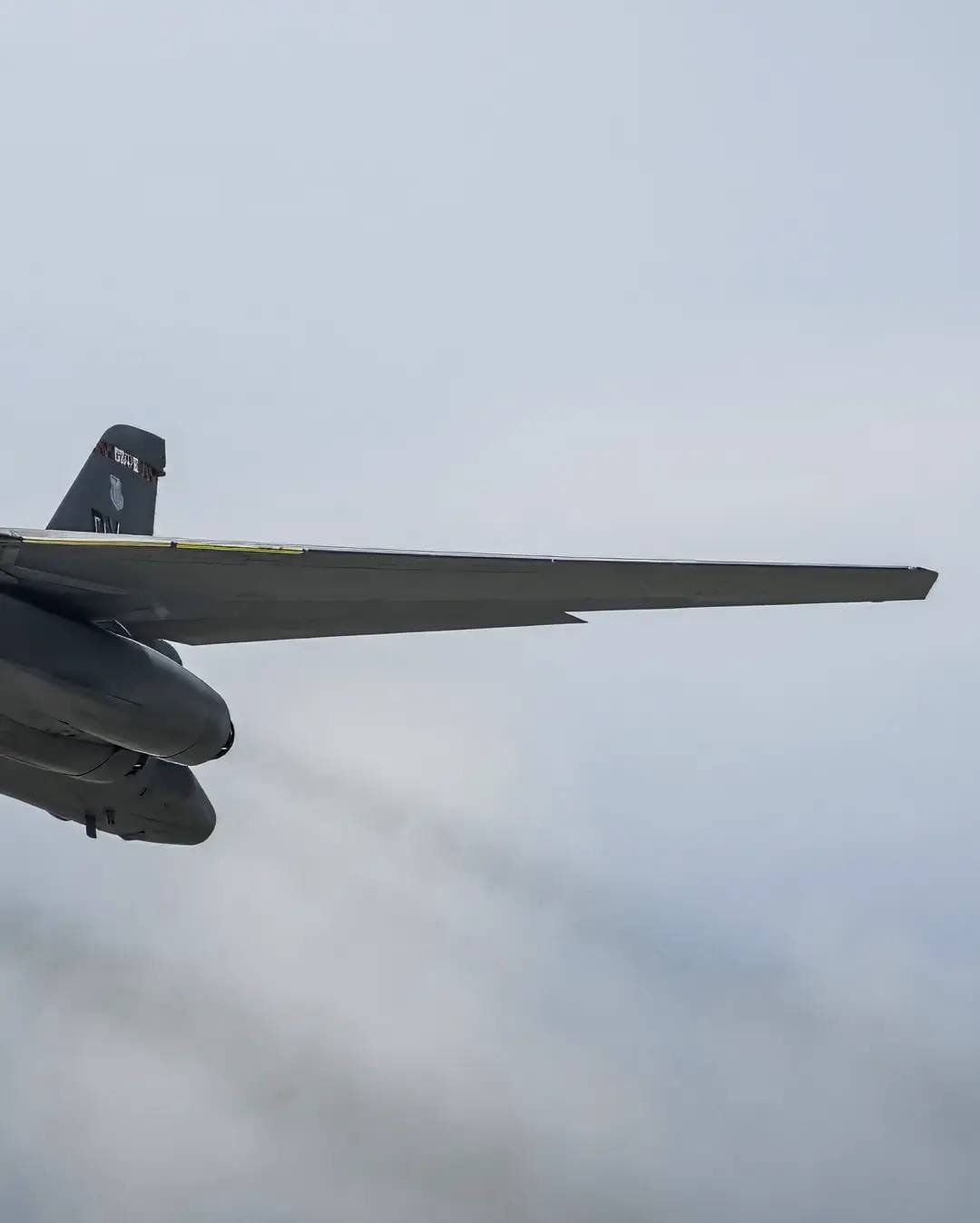
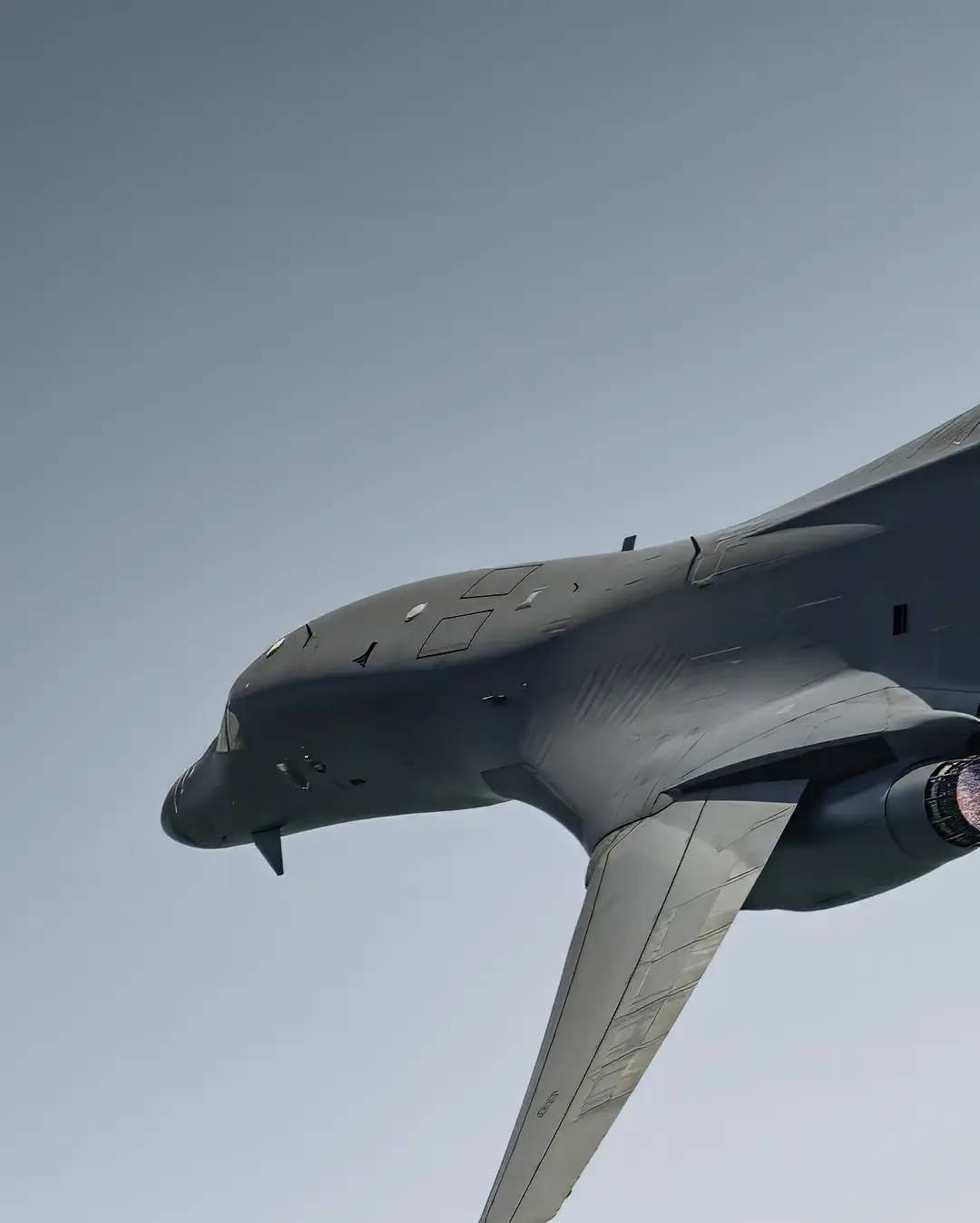
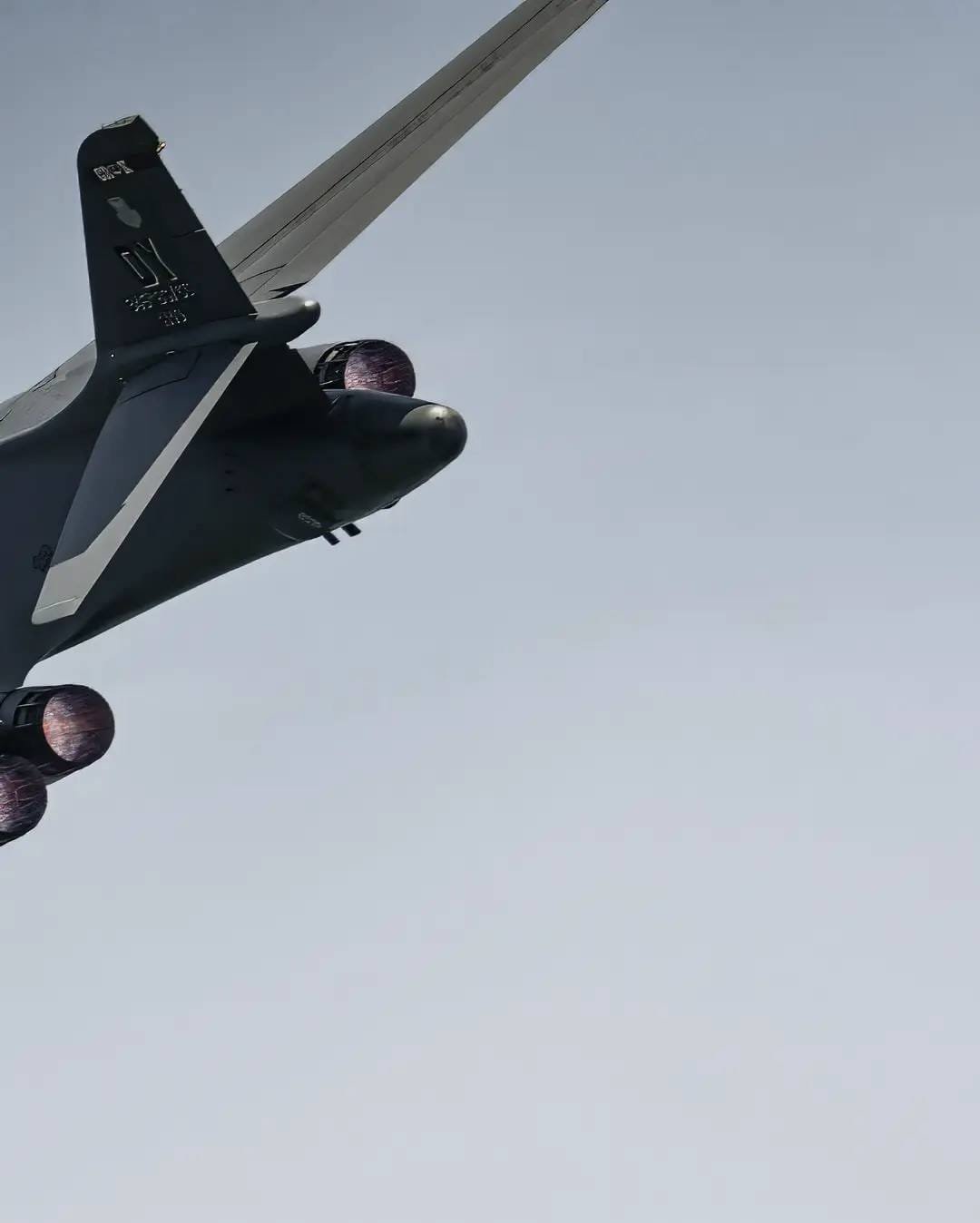
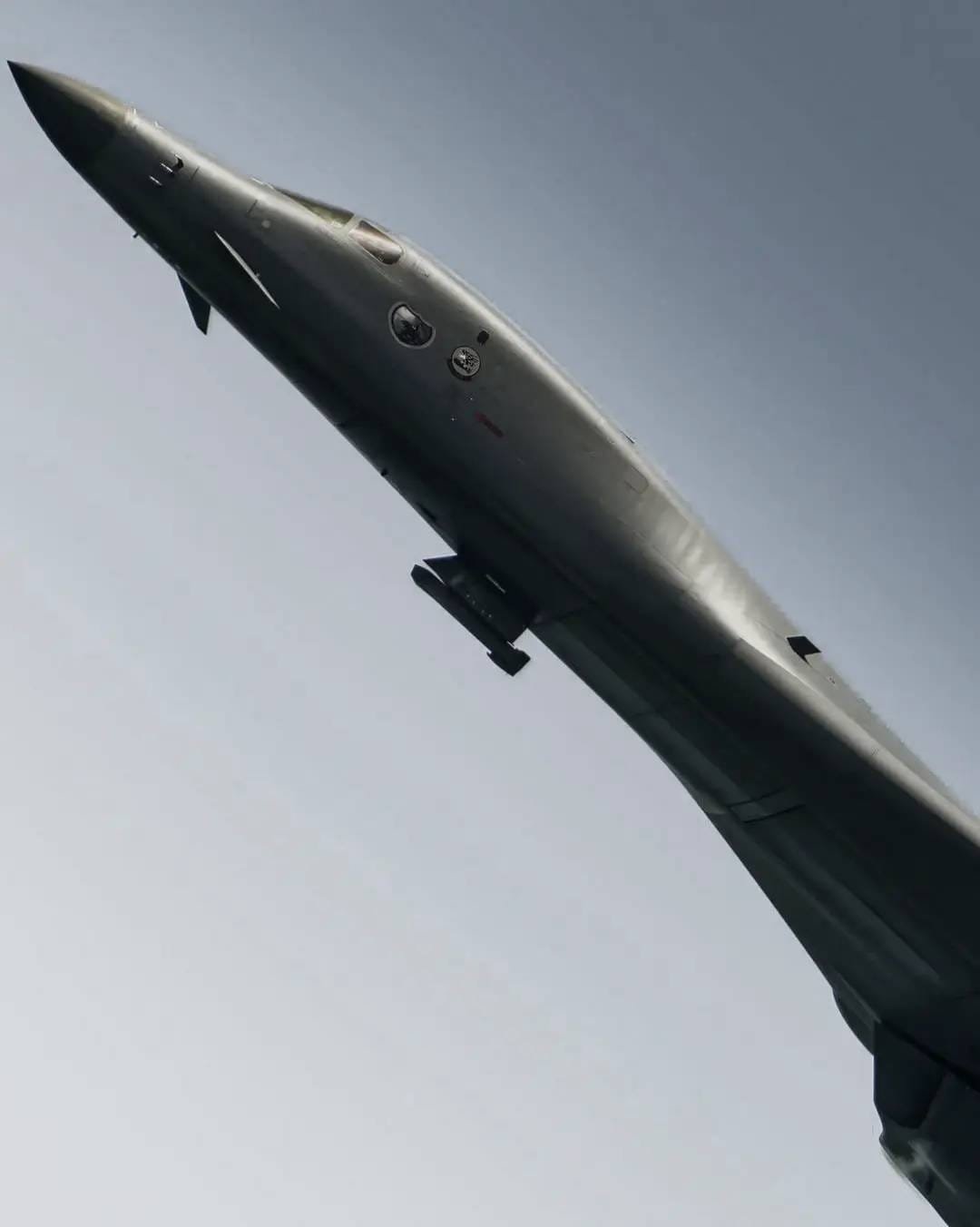
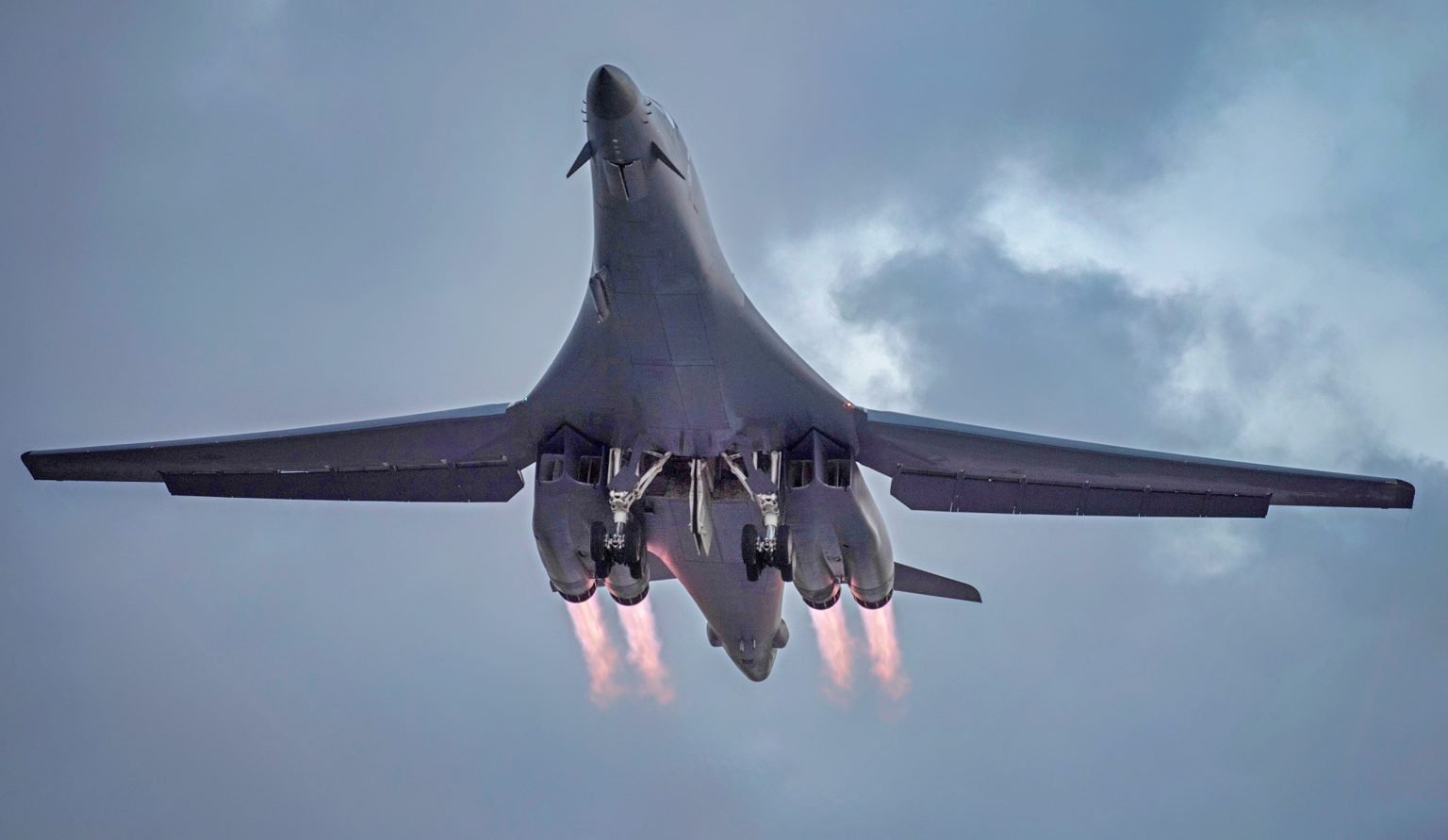
The Rockwell B-1B Lancer, also known as the Bone, is a supersonic variable-sweep wing strategic bomber that was released in 1986. It was initially built as a nuclear delivery vehicle, but converted to a conventional strike in the 1990s and is now a main conventional heavy-payload bomber.
Role
The B-1B is specialized in conventional precision attack, long-range projection of power and in close air support during high intensity conflicts. It has extensively been utilized in Afghanistan, Iraq, and Syria operations.
Key Features
Three interior weapons bays that can accommodate 75,000 lbs of ordnance – the largest known conventional ordnance mass of any American bomber.
Variable-sweep wing design that has a maximum 1.25 Mach speed.
Carries JDAM, JSOW and LRASM (Long Range Anti-Ship Missile).
Modern AN/ALQ-161 airborne alert and warning and control system.
Undergoing modernisation to accommodate the LRASM and JASSM-ER to give it long-range precision strike.
Average range with no refuel of about 6,475 miles.
F-35 Lightning II -The Multirole Fighter of the Future.
Overview
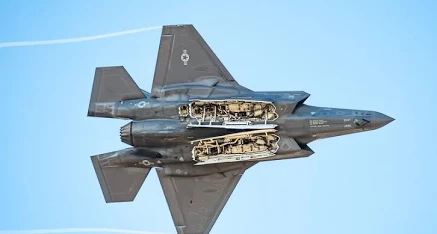
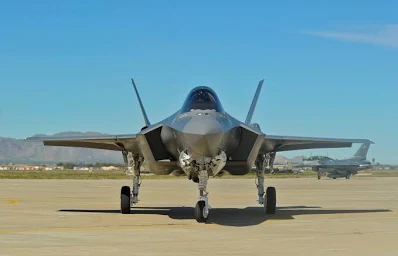
The Lockheed Martin F-35 Lightning II is the heart of air power in the 21 st century of the United States and one of the most modern strike aircrafts ever designed and constructed in the United States. The F-35, which is the product of the Joint Strike Fighter (JSF) program, comes in three versions the F-35A (conventional takeoff), F-35B (short takeoff/vertical landing), and F-35C (carrier-based).
Role
F-35 is the 5 th -generation multirole air superiority, ground attack, electronic warfare, intelligence collection, and battlefield coordination all in a single platform.
Key Features
Complete stealth with low radar cross-sectional to engage the front.
AN/APG-81 AESA radar- one of the latest advanced airborne radars in the world.
Distributed Aperture System (DAS) that offers a 360-degree situational awareness by the helmet of the pilot.
Internal weapons bays which bear AIM-120 AMRAAM, AIM-9X, JDAM, SDB and others.
The maximum speed of about Mach 1.6 and a fighting range of about 670 nautical miles.
Fills the role of a sensor fusion node, broadcasting battlefield information to other platforms on a real-time basis.
Corporated by USAF, U.S. Navy, U.S. Marine Corps, and 17 or more allied countries.
F-22 Raptor – Air Dominance Redefined.
Overview
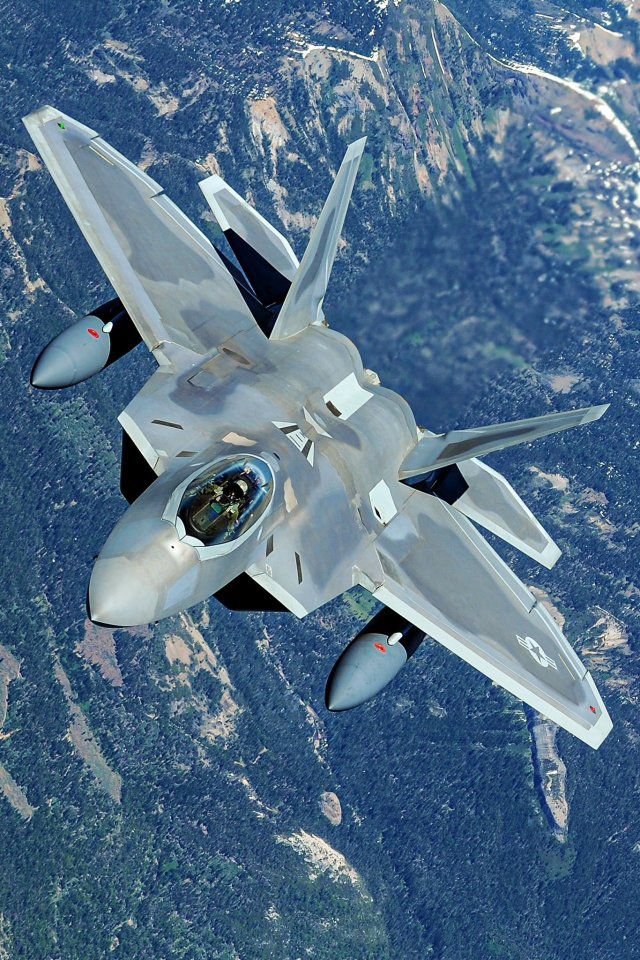
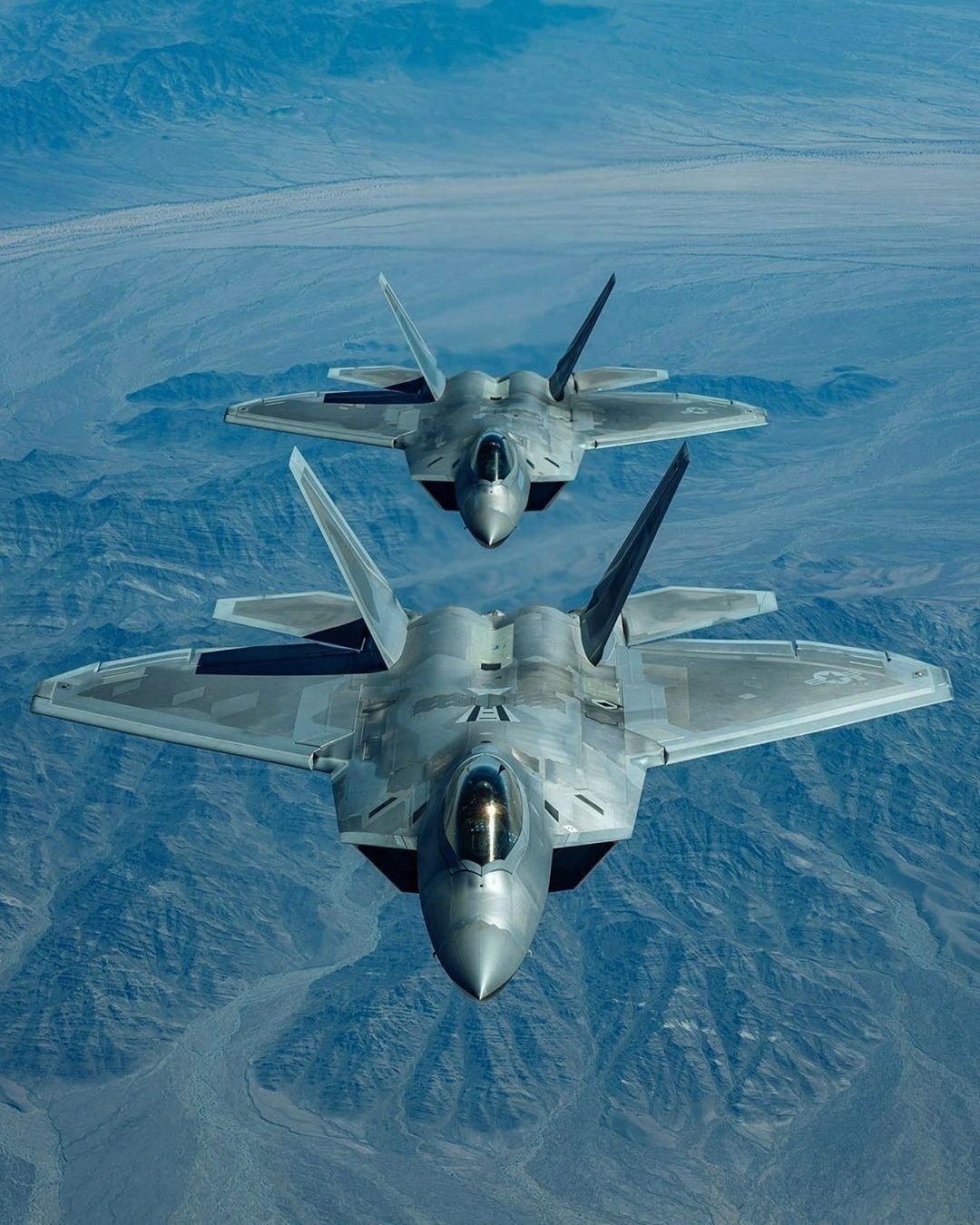
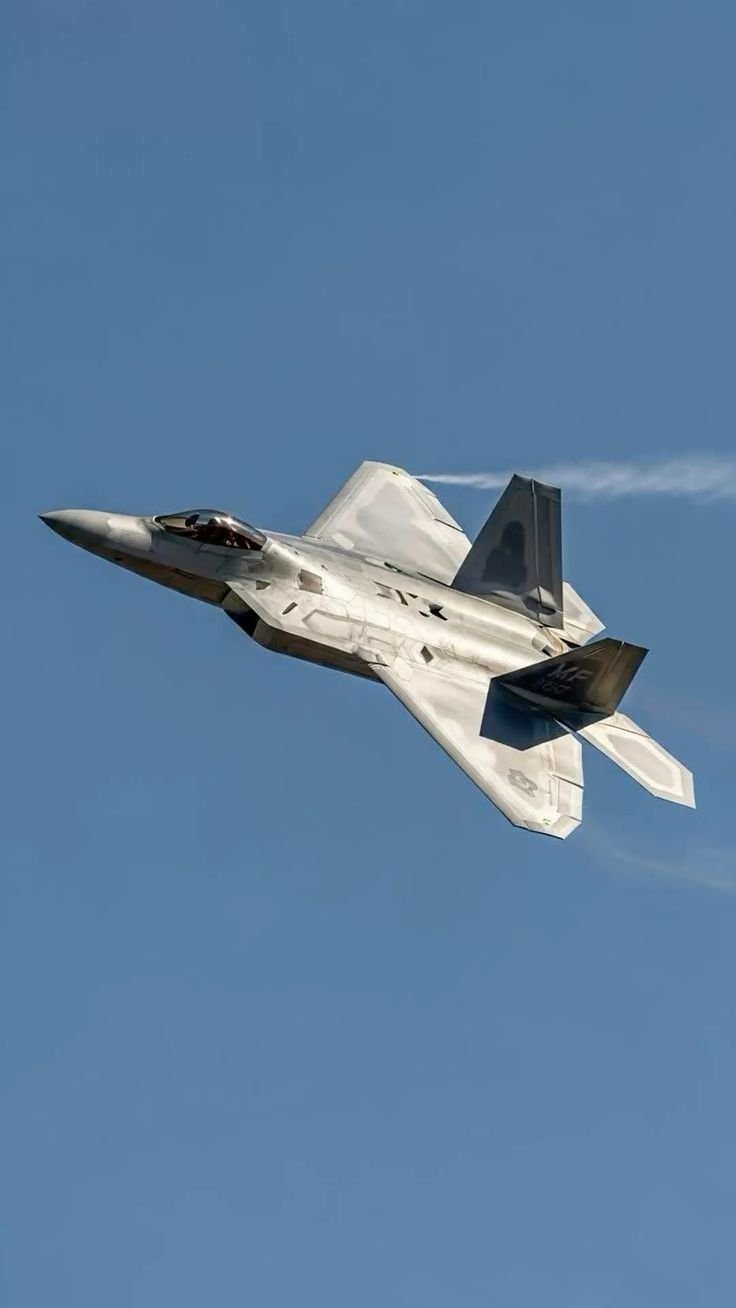
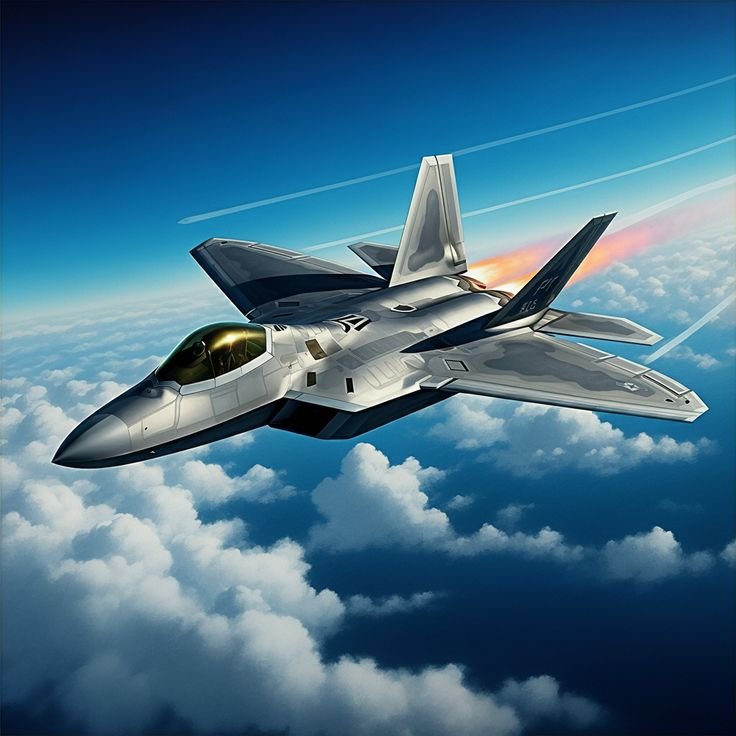
The Lockheed Martin Boeing F-22 Raptor is the best fighter in the world in terms of air superiority. When the USAF introduced the F-22 in 2005, it incorporated stealth, supercruise, super maneuverability as well as the best avionics in one aircraft that no one opponent in the world today can match.
Role
The air dominance of the F-22 is its central mission – to empty the skies of the enemy-controlled aircraft before other U.S. strike aircraft get into hostile airspace. It is also a secondary ground attacker.
Key Features
Supercruise capability – is able to maintain speeds in excess of Mach 1.5 without recourse to afterburner.
Very low observability in all frequencies.
AN/APG-77 long-range target detection and tracking radar.
AMRAAM AIM-120C weapons bays, Sidewinder AIM-9X and GBU-32 JDAM.
extreme manoeuvrability at any speed Thrust-vectoring nozzles.
A maximum speed of about Mach 2.25.
This is because of the limited number of aircraft manufactured: 186 and so each air frame is a treasure to the USAF.
F-15 Eagle four decades of air dominance.
Overview
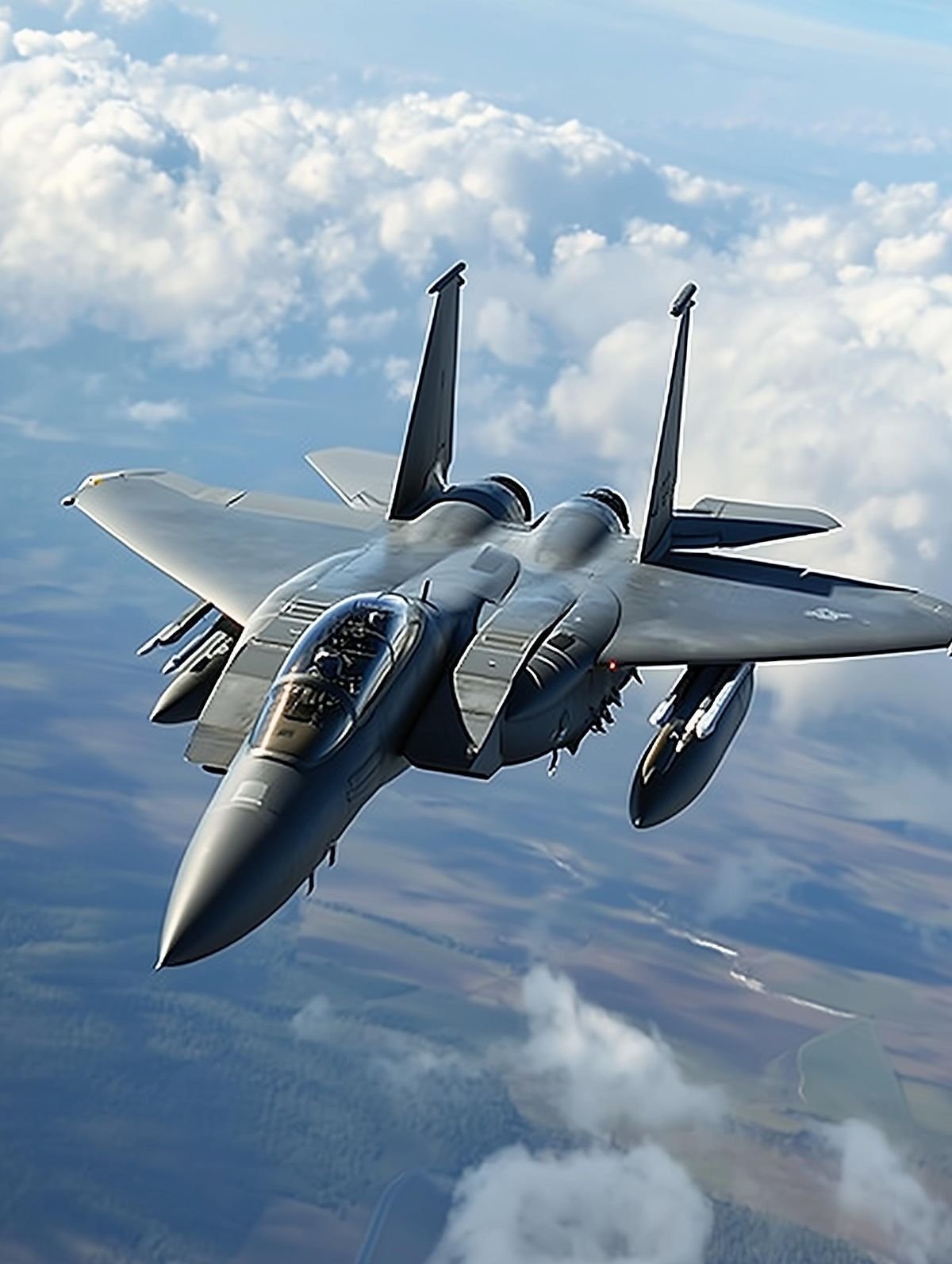
The McDonnell Douglas F-15 Eagle has established one of the greatest combat records in the history of aviation – more than 100 aerial fighting victories and 0 aerial fighting losses. It was introduced in 1976 and has remained one of the most capable air superiority fighters in the world and will be flown alongside 5 th -generation fighter well into the 2030s.
Role
F-15 Eagle is an air superiority fighter that is specifically equipped to acquire and retain domination of the air.
Key Features
Twin tail design, twin engine with outstanding thrust-to-weight ratio.
AN/APG-63(V)3 AESA radar on long-range target acquisition upgraded variants.
Carries AIM-7 Sparrow, AIM-9 Sidewinner and AIM-120 AMRAAM missiles.
Internal 20mm M61A1 Vulcan cannon
Maximum speed of Mach 2.5+
The new F-15EX (Eagle II) model has a glass cockpit, fly-by-wire controls and carrying capacity of up to 29,500 lbs – the highest of any fighter.
F-15E Strike Eagle The Precision Ground Attack Master.
Overview
The dedicated air-to-ground version of the F-15 is the McDonnell Douglas F-15E Strike Eagle, which was intended to conduct deep interdiction and precision strike missions (in any weather, day or night). It was commissioned in 1988, and since the Gulf War it has been one of the most used U.S. strike planes in every major conflict.
Read Also : U.S F-15 Crashes In Kuwait
Role
The F-15E is used to carry out deep strike, air interdiction, close air support (CAS) and air superiority of the battlefield – frequently all at the same time.
Key Features
AN/APG-82(V)1 AESA ground mapping, synthetic aperture radar.
LANTIRN / SNIPER targeting pods of precision weapons delivery by laser and GPS.
Carries up to 23, 000 lbs of ordnance with GBU-28 bunker busters, JDAM and JASSM and AIM-120.
Two man crew: pilot, weapons systems officer (WSO)
Maximum speed of Mach 2.5
In use in USAF and other allied air forces around the globe.
The Navy Striking fighter F/A-18 Super Hornet.
Overview
The F/A-18E/F Super Hornet is the carrier-based strike fighter in the U.S Navy. The Super Hornet is larger, more powerful, and more able that the original F/A-18 Hornet; and the Super Hornet has played a key role in U.S. naval aviation since 1999.
Role
Super Hornet also serves in fleet defense, strike missions, aerial refueling (during the tanker mission), and forward air controller. It belongs to the most versatile U.S. strike planes at the moment.
Key Features
AN/APG-79 AESA air and ground target air and ground simultaneous radar.
Has the capability of carrying the AIM-120, AIM-9X, JDAM, Harpoon, JSOW, and SLAM-ER missiles.
Block III variants with Conformal Fuel Tanks (CFTs) making great range extensions.
Two-seat F/A-18F variant is an all-purpose multi-mission aircraft.
Maximum speed of Mach 1.8
Larger-format touchscreen displays in the cockpit on Block III.
Flies off Nimitz and Gerald R. Ford-carriers.
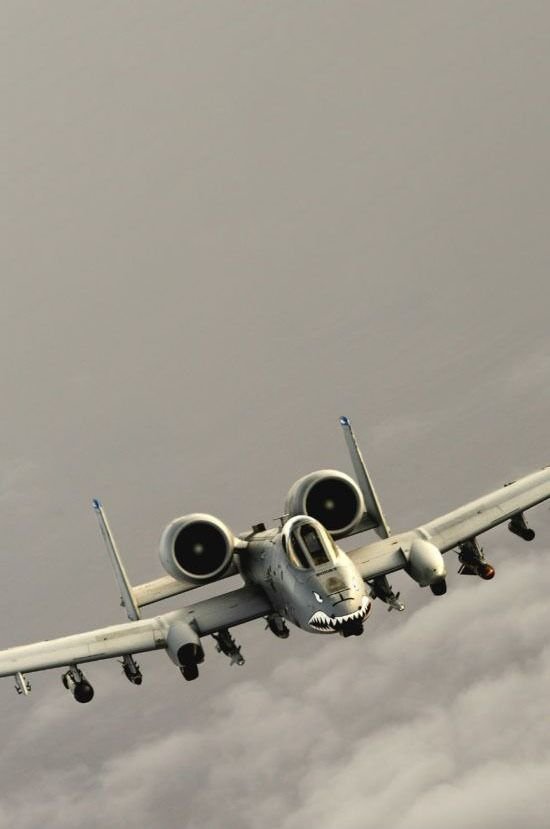
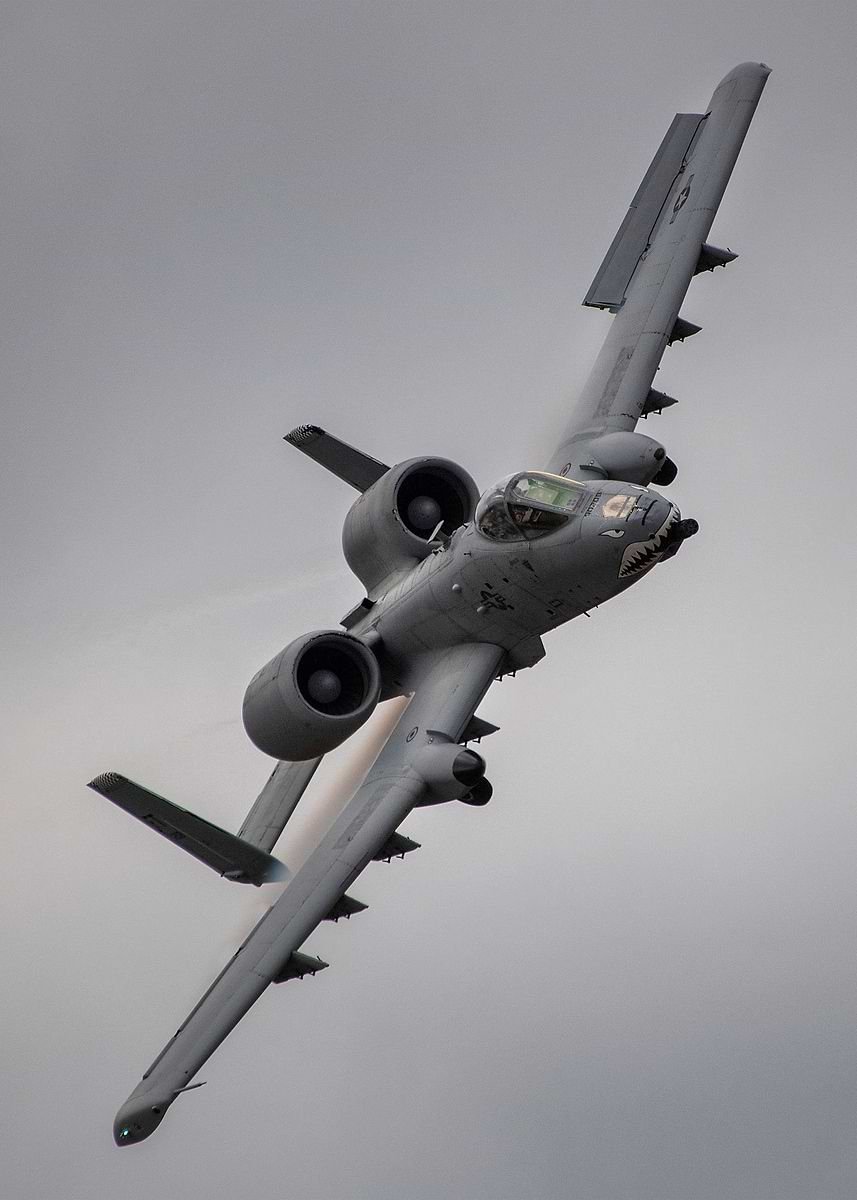
A-10 Thunderbolt II The Indestructible CAS Legend.
Overview
The Fairchild Republic A-10 Thunderbird II – the so-called Warthog – is one of the most popular and the most tested aircraft in the history of the U.S. military. Specially adapted to the close air support (CAS) mission, it has served as the best friend of the infantryman in all conflicts since 1977 when it was initially introduced.
Role
The A-10 has only one reason being there which is to destroy the enemy armor and offer close air support in the direct manner to the ground troops in the contested areas.
Key Features
GAU-8/A Avenger – 30mm seven barrel Gatling gun, with a 3,900 rounds per minute rate, and developed to destroy tanks.
Has a capacity of 16,000 lbs ordnance such as AGM-65 Maverick missiles, Mk 82 bombs, GBU-12 Paveway and rockets.
Titanium bathtub cockpit armor that safeguarded the pilot against ground fire.
Very redundant systems – can carry one engine, half a tail, and severe damage of the airplane framework.
Ideal flight profile CAS Low-and-slow (top speed of approximately 420 mph)
Night-vision compatible with Sniper ATP targeting pod to be used in targeting.
Wing replacement programs are currently in progress to provide a service life up to 2030s.
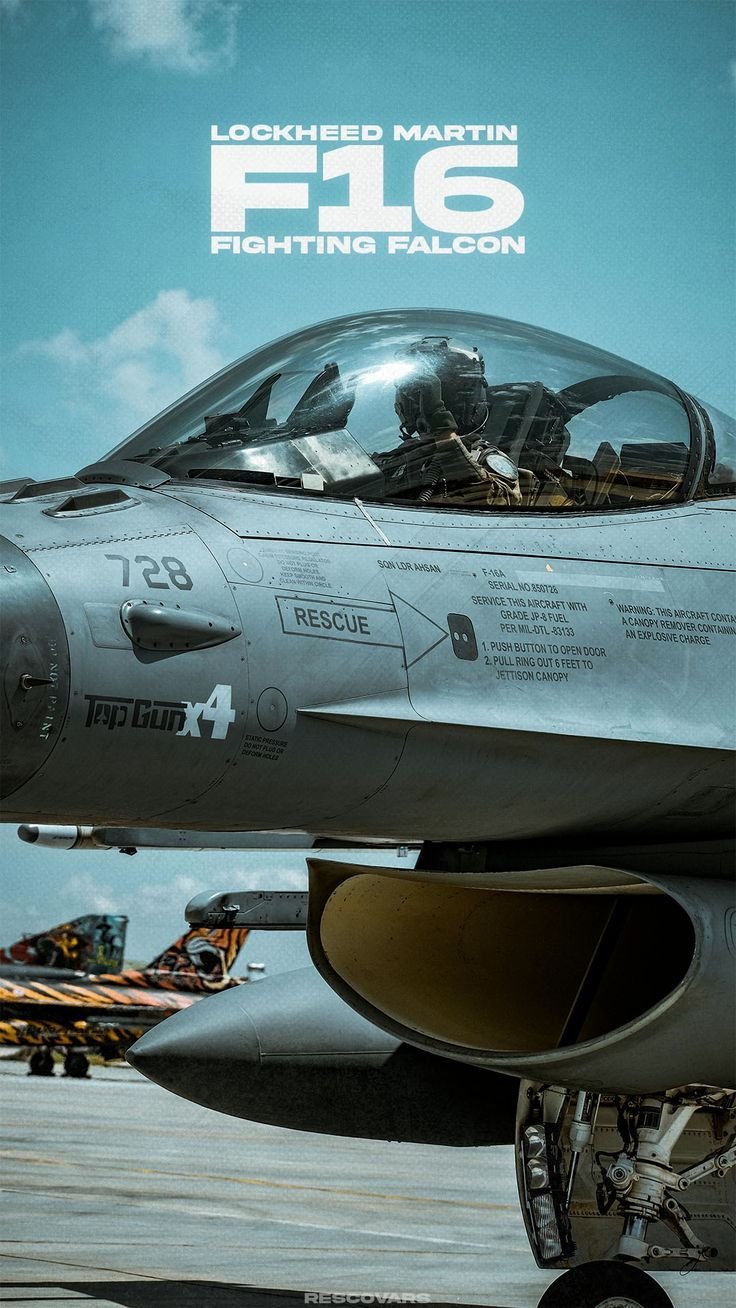
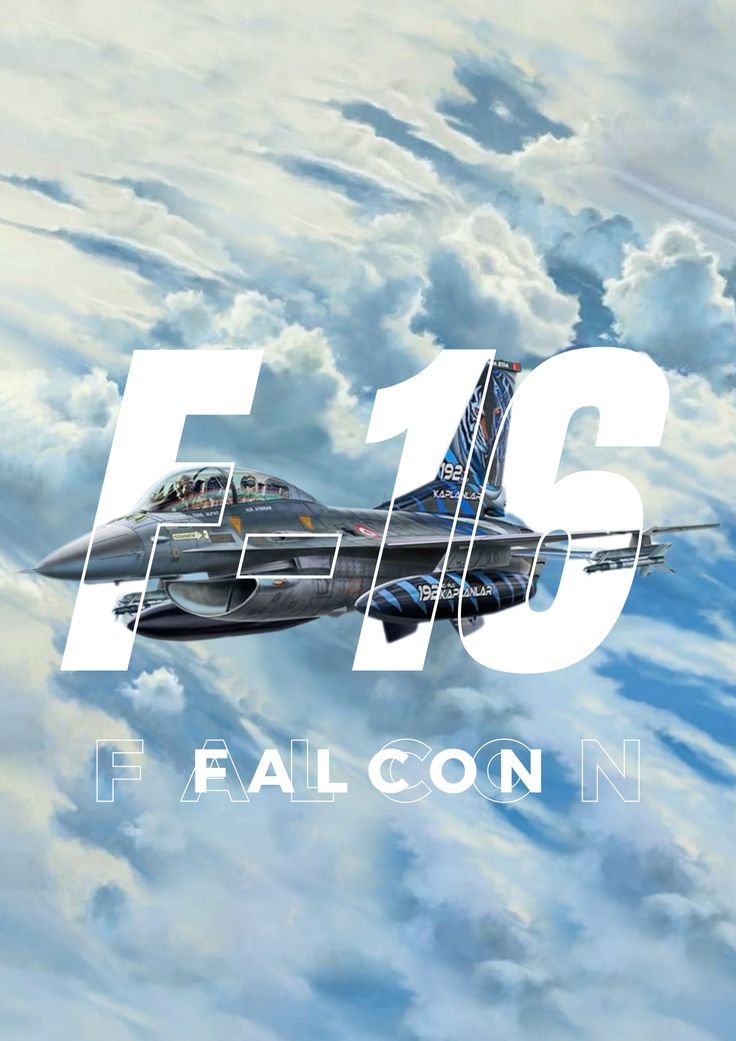
F-16 Fighting Falcon of the most versatile fighter in the world.
Overview
The F-16 Fighting Falcon by General Dynamics / Lockheed Martin is the most commonly operated combat airplane in the world with the building of more than 4,600 fighters in operation and involvement by more than 25 countries. The F-16, which was introduced in 1978, was the first aircraft to have fly-by-wire controls, and the ability to perform high G maneuvers, and one of the most powerful U.S. strike aircraft in the present inventory.
Role
The F-16 is indeed a multipurpose fighter that is capable of carrying out the air superiority, ground attack, suppression of the enemy air defense (SEAD), and reconnaissance operations.
Key Features
Frameless bubble canopy with outstanding visibility of 360 degrees.
Flying control system to allow 9-G maneuvers at altitude.
AN/APG-83 AESA radar in Block 70/72 variants.
Has the capacity to carry AIM-120, AIM-9, JDAM, AGM-88 HARM AGM-65 Maverick and others.
Payload of around 17 thousand lbs; top speed of Mach 2.0.
The latest production version (F-16V) (Viper) Block 70/72 is equipped with AESA radar and modern mission computers.
AC-130J Ghostrider Death from Above.
Overview
The newest and most modern type of the famous family of the AC-130 gunships is the AC-130J Ghostrider, which is operated by the U.S. Air Force Special Operations Command (AFSOC). It is a modified C-130J Super Hercules transport that was converted into an unleashing precision fire support vehicle.
Role
The AC-130J can give persistent close air support, air interdiction and force protection to special operations forces. It is superior in permissive conditions that little hang-around time and accuracy firepower are needed.
Key Features
Equipped with 30mm ATK gun, 105mm howitzer, Griffin missiles and GBU-39 Small Diameter Bombs (SDB).
High-tech electro-optical/infrared (EO/IR) and synthetic aperture radar to be able to target the targets precisely.
Precision Strike Package (PSP) that enables space beyond enemy threat delivery of standoff weapons.
Seamless coordination of ground forces by multi-channel communications.
Is capable of remaining in a target location hours of continuous and responsive fire support.
Up to 13 operator crew taking care of sensors, weapons and communications.
The Next Chapter of Strategic Bombing The B-21 Raider.
Overview
The latest strategic bomber of the United States is the Northrop Grumman B-21 Raider which was publicly unveiled in December 2022. The B-21 is the next development of the stealth bomber technology and it is intended to work in the most hostile of airspace imaginable even against high-integrated Chinese and Russian integrated air defense systems (IADS). It is designed to replace both the B-1B Lancer and the B-2 Spirit in the long term.
Role
The B-21 will carry out strategic conventional and nuclear attack actions, deep penetration into enemy airspace without even being detected by the most sophisticated radar technology. It is also used in missions of intelligence, surveillance and reconnaissance (ISR).
Key Features
6th-generation stealth design with much greater low-observable than B-2.
Intended to operate either with or without a crew (optionally) – a first in a U.S. bomber.
Fits the entire assortment of existing and future nuclear and conventional standoff weapons.
Open systems architecture with quick incorporation of new weapons and sensors.
Estimated to be manufactured in a minimum of 100 planes – much more than the B-2.
Projected to be able to meet first operating capability (IOC) as early as the mid-2020s.
EA-18G Growler -The Electronic Warfare Vanguard.
Overview
The U.S. Navy has a dedicated electronic attack aircraft, the Boeing EA-18G Growler based on the F/A-18F Super Hornet airplane. It supplanted the EA-6B Prowler and is the sole operational dedicated carrier-based electronic warfare aircraft in the world.
Role
The EA-18G has an anti-radiation missile and electronic jamming mission of Suppression and Destruction of Enemy Air Defenses (SEAD/DEAD). The absence of the Growler to clear enemy radar and communications would significantly increase the risks that other U.S. strike aircrafts would be shot down by defenses.
Key Features
AN/ALQ-99 Tactical Jamming System – high-energy airborne electronic attack pods that disrupt the radar system of the enemy over a wide frequency spectrum.
AN/ALQ-218 wide band receiver to locate emitter and jam accurately.
Has the ability to physically destroy radar sites by carrying AGM-88 HARM (High-speed Anti-Radiation Missile).
Retains the ability to bear AIM-120 AMRAAM as self defense.
Two-seat crew: electronic warfare officer (EWO) and pilot.
The Next Generation Jammer (NGJ) pods currently under upgrade, much stronger systems than the current ones.
Flies on the carriers and shore bases of the U.S Navy.
Comparative Overview U.S. Strike Aircraft at a Glance
| Aircraft | Type | Primary Role | Gen | Top Speed |
| B-2 Spirit | Stealth Bomber | Strategic Nuclear/Conventional Strike | 5th | High Subsonic |
| B-52 Stratofortress | Strategic Bomber | Long-Range Conventional/Nuclear | Legacy | Mach 0.86 |
| B-1B Lancer | Strategic Bomber | Conventional Heavy Strike | 4th+ | Mach 1.25 |
| F-35 Lightning II | Multirole Fighter | Stealth Strike / Air Superiority | 5th | Mach 1.6 |
| F-22 Raptor | Air Superiority | Air Dominance | 5th | Mach 2.25 |
| F-15 Eagle | Air Superiority | Air Combat | 4th+ | Mach 2.5+ |
| F-15E Strike Eagle | Multirole Fighter | Deep Strike / CAS | 4th+ | Mach 2.5 |
| F/A-18 Super Hornet | Carrier Strike Fighter | Naval Strike / Air Defense | 4th+ | Mach 1.8 |
| A-10 Thunderbolt II | CAS Aircraft | Close Air Support / Anti-Armor | 4th | 420 mph |
| F-16 Fighting Falcon | Multirole Fighter | Air Combat / Ground Attack | 4th+ | Mach 2.0 |
| AC-130J Ghostrider | Gunship | Special Ops Fire Support | — | 400 mph |
| B-21 Raider | Stealth Bomber | Strategic Next-Gen Strike | 6th | Classified |
| EA-18G Growler | Electronic Warfare | SEAD / Electronic Attack | 4th+ | Mach 1.8 |
The reason why U.S. Strike Aircraft are unmatched.
The strike aircrafts used by the United States are combined that would provide that country with an asymmetric advantage that is unreplicable by any other country. This dominance is based on a number of factors:
Technological Depth : U.S. has the benefit of simultaneously having airplanes of various generations; B-52s of the Cold War, 6 th -generation B-21 Raiders, and providing commanders with a toolkit of layers to apply to any mission.
Stealth Integration – The B-2, F-22, F-35, and B-21 all present large numbers of low-observable platforms, which are not found in any other country, allowing access to even the most advanced air defense systems.
Global Reach: U.S. strike aircraft via aerial refueling, forward basing and carrier aviation, can project power anywhere on the globe within hours.
Whatever the case may be, this demonstrates that the F-35 is highly interoperable, and it is able to fight alongside the Air Force, Navy, and Marine Corps, not to mention dozens of allied countries.
Electronic Warfare Dominance– The EA-18G Growler will enable the U.S. to blind and suppress enemy air defense systems even before the first bomb is launched, covering all other strike systems.
Conclusion
Continuous thunder in the air as a B-52 takes off in the morning to the whisper silence of a B-2 Spirit in the air, U.S. strike planes have marked the directions of modern war and they continue to make the frontiers of military aviation. Whether it is providing a precision-guided bomb within feet of its target, or disrupting enemy radar on a larger scale, or loitering over a battlefield with a real time fire support to troops on the ground, these platforms are decades of excellence in engineering, experience, and investment.
With the enemies still working on the advancement of their own air defense systems and stealth aircraft, the United States is already introducing the B-21 Raider and upgrading its entire fleet to ensure that it has the decisive advantage. The second phase of domination in strike aircrafts in the U.S. has begun.